Cemeteries
509.146 cemeteries worldwide. Search the map, filter by country or browse the list.
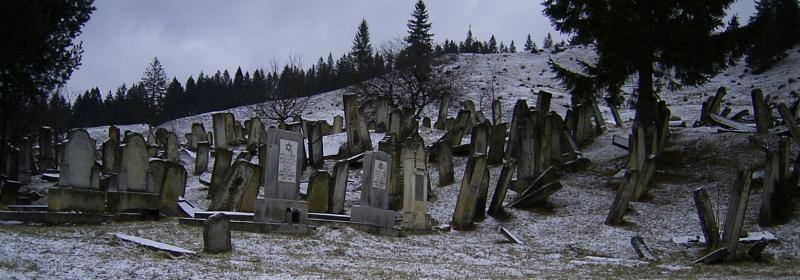
Jewish Cemetery – Gura Humorului
📍 Gura Humorului, Oraş Gura Humorului, Romania
Jewish Cemetery – Gura Humorului
589 defuncți →

Cimitirul Radauti
📍 Radauti, România
The old Radauti Cemetery, also known as Cimitirul Central Radauti, is situated between Strada Stefan cel Mare and Strada Garii in Radauti. The cemetery is unique in that it is bisected by a railroad line.
587 defuncți →
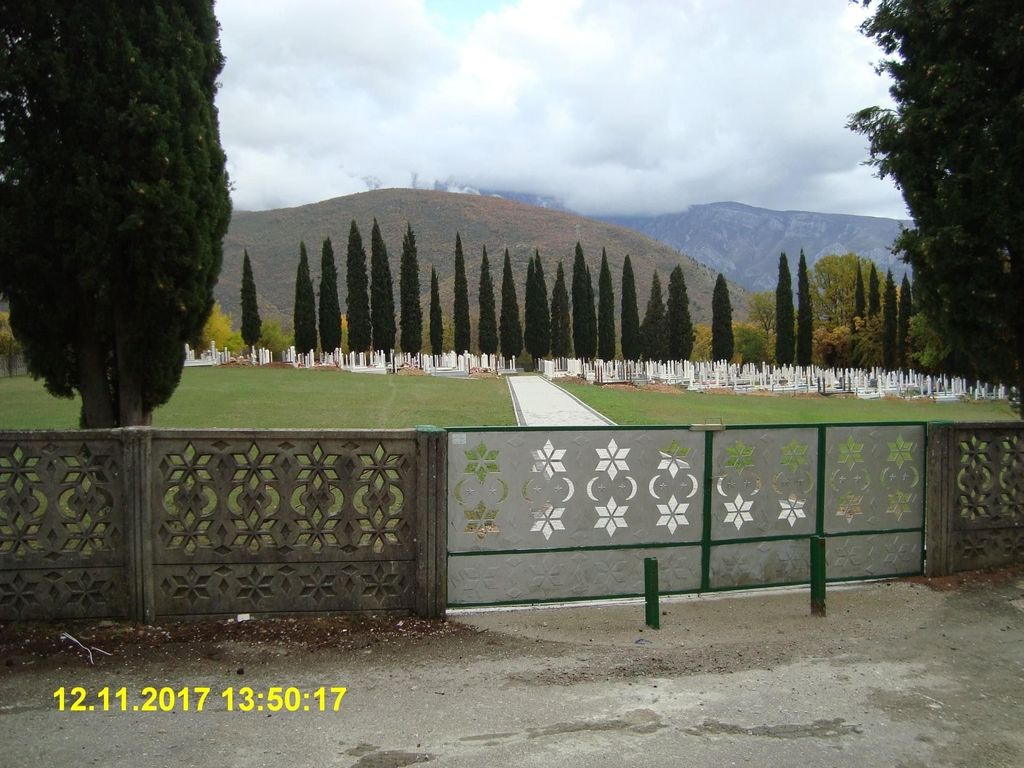
Harem Haljinovci - Lišani
📍 Mostar, Bosnia and Herzegovina
Harem Haljinovci - Lišani
578 defuncți →

Cmentarz Komunalny nr 2 Junikowo
📍 Skórzewo, Polonia
573 defuncți →
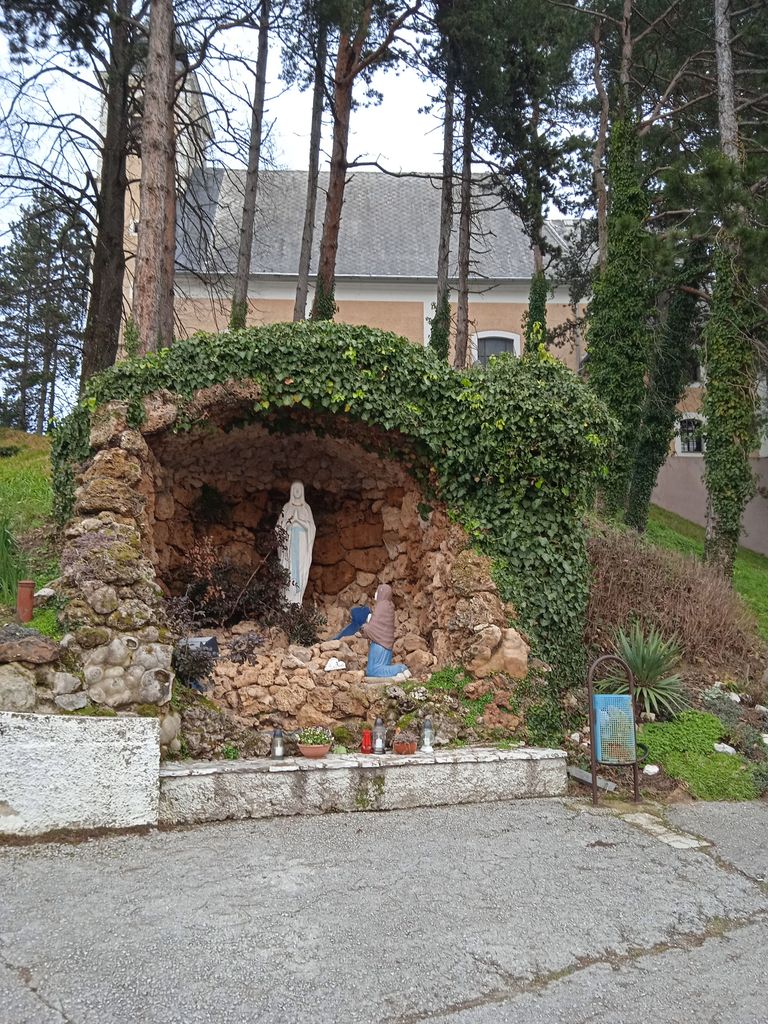
Draganic
📍 Draganić, Croația
Cemetery attached to the local church
552 defuncți →

Békéscsabai izraelita temető
📍 Békéscsaba, Ungaria
Békéscsabai izraelita temető
548 defuncți →

Saints Peter & Paul Church Cemetery
📍 Kringa, Croația
Saints Peter & Paul Church Cemetery
544 defuncți →
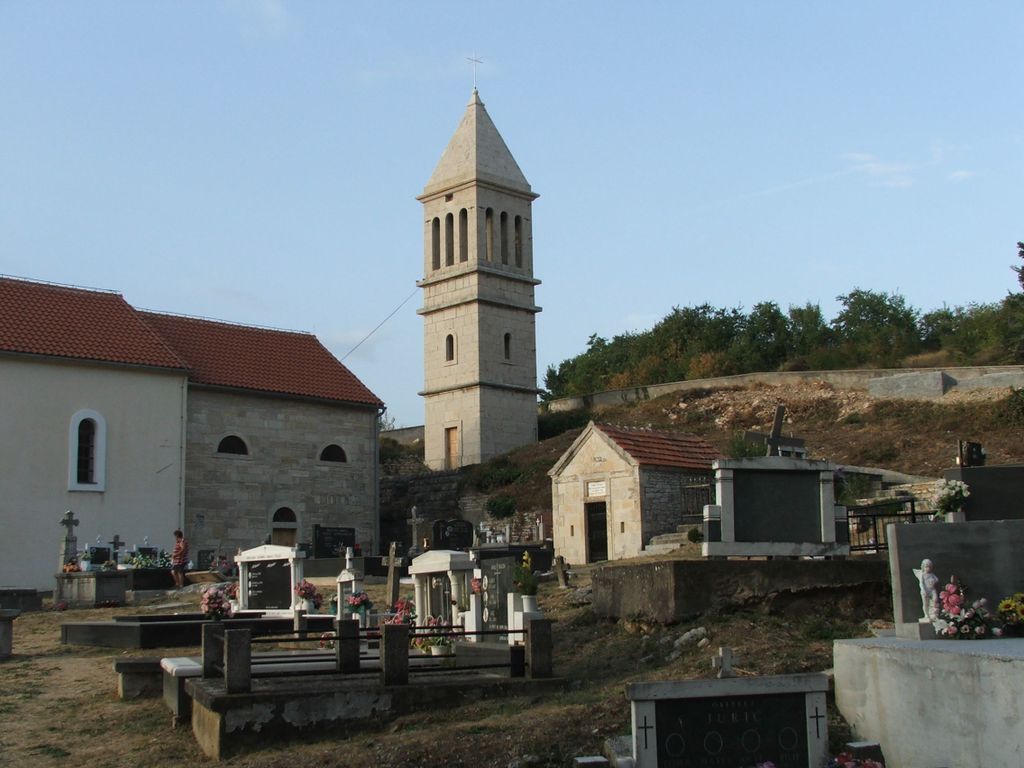
Groblje Gospe Čatrnjske
📍 Lukar, Croația
Groblje Gospe Čatrnjske
543 defuncți →

Gradsko mezarje Podgljivlje
📍 Duba Konavoska, Croația
Muslim cemetery in Trebinje, Bosnia and Herzegovina.
542 defuncți →

Velika Ligojna
📍 Velika Ligojna, Slovenia
Velika Ligojna
541 defuncți →
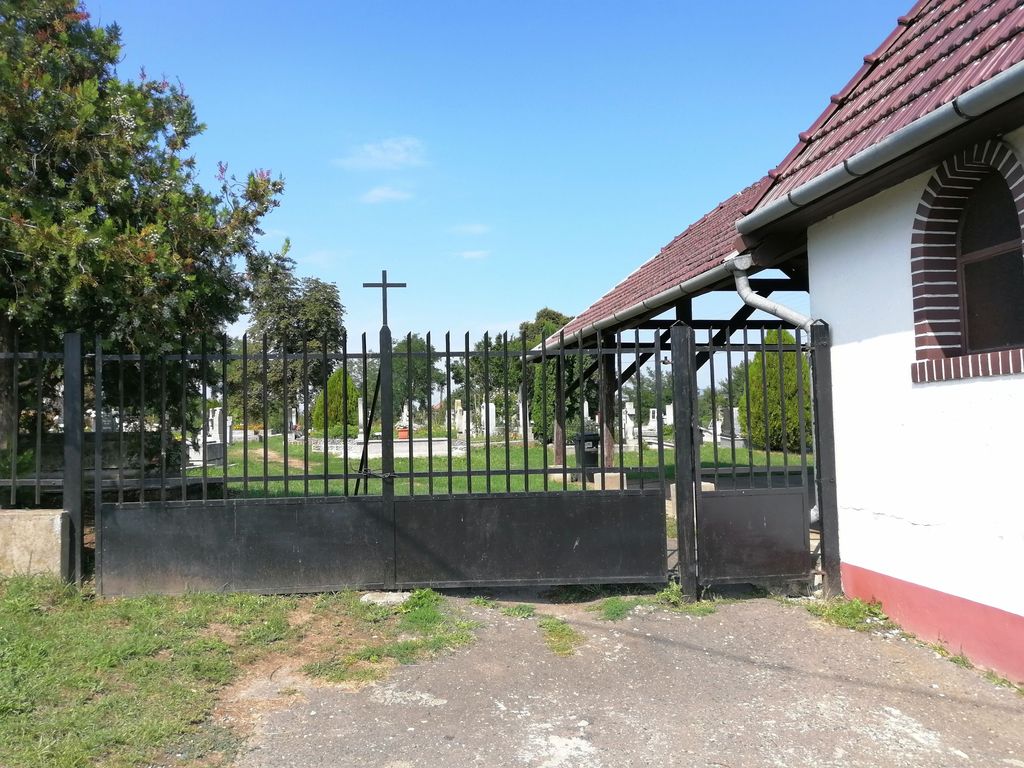
Abaújkéri temető
📍 Abaújkér, Gönci járás, Hungary
Abaújkéri temető
539 defuncți →

Dol Cemetery
📍 Pribic, Općina Krašić, Croatia
Dol Cemetery
538 defuncți →
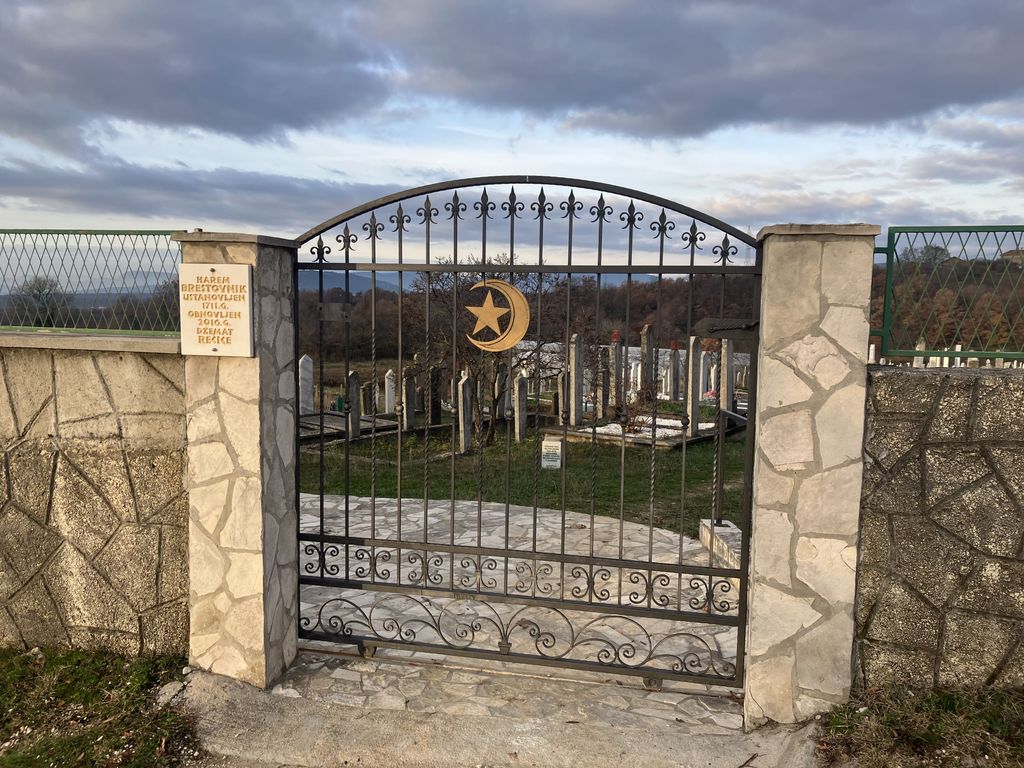
Harem Brestovnik - Rečice
📍 Metković, Croația
Harem Brestovnik - Rečice
520 defuncți →

Sošice
📍 Sošice, Croația
Sošice
514 defuncți →
Monastir Road Indian Cemetery
📍 Θεσσαλονίκη, Grecia
Please note that the cemetery is now kept locked. To collect the cemetery keys and for any further assistance, visitors are kindly requested to contact the Greece regional office 24 hours in advance of their visit on Tel: +30 2310452597. The office is open Mon-Fri 9.00am-4.00pm local time. Visitors are advised to travel to the cemetery in pairs and to secure all valuable items. The cemetery is located approximately 3 kilometres from the centre of Thessaloniki following Monastriou Street, direction west on the road to Edessa. Follow Monastiriou Street until you come to the large motorway overpass, turn left at the traffic lights under the motorway overpass and then turn immediately right where a large CWGC sign is located. Follow this street, Megalo Alexandrou and continue straight for approximately 400 metres and turn left at the T junction where after approximately 100 metres you shall see another CWGC sign which is directly opposite the cemetery entrance. The cemetery was made between 1916 and 1920, and is made up of two plots - the southern plot, containing burials, and the northern plot, in which the remains of over 200 Indian servicemen were cremated in accordance with their faith. The men served mainly with the Royal Artillery, the Transport Corps of Bharatpur and Indore, the Mule Corps and, after 1918, certain Indian regiments. There are now 358 Indian servicemen of the First World War buried or commemorated in the cemetery. The northern plot contains a memorial with panels bearing the names of those who were cremated. The cemetery also contains the Monastir Road Indian Memorial, bearing the names of over 150 Indian servicemen who died in Macedonia during the First World War, whose graves could not be marked or moved.
513 defuncți →
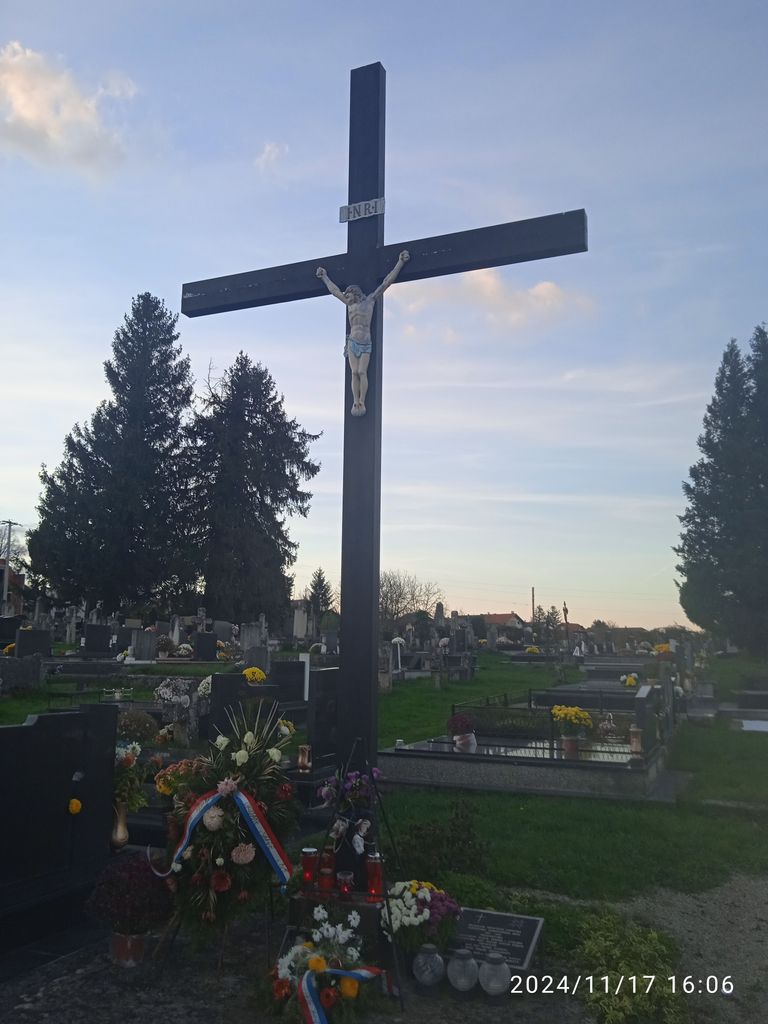
Groblje Križ
📍 Melinovac, Croația
Groblje Križ
512 defuncți →
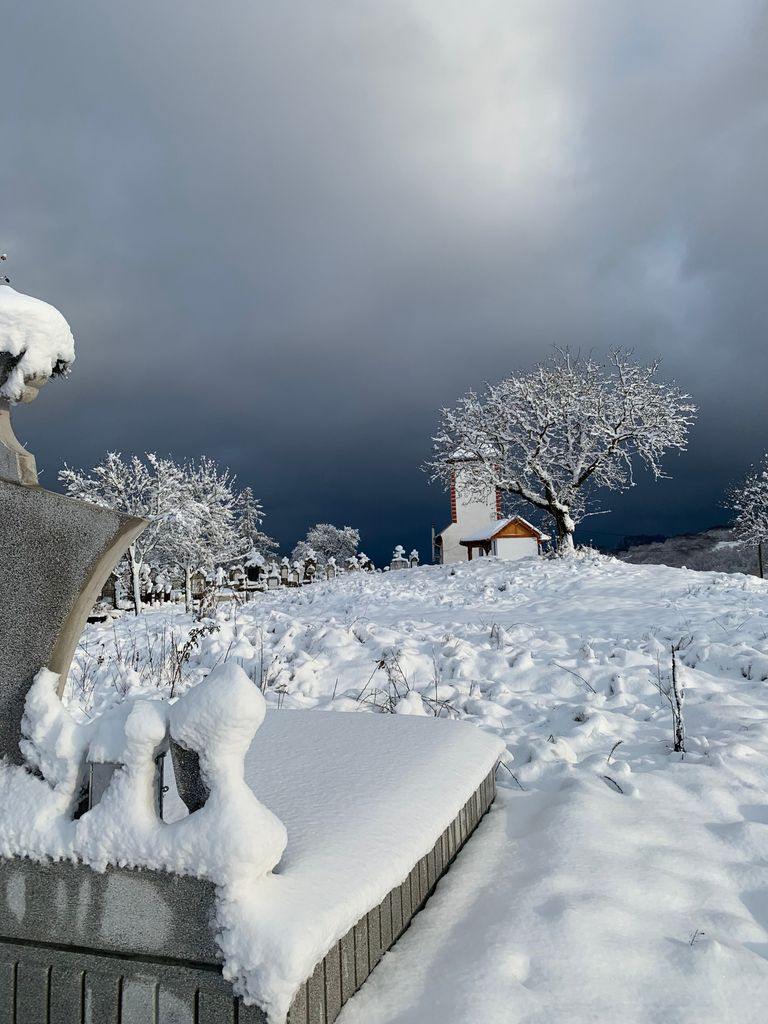
"The Dormition of the Mother of God" Church
📍 Comana de Sus, Comuna Comana, Romania
"The Dormition of the Mother of God" Church
508 defuncți →

Sava Cemetery
📍 Sava, Slovenia
Sava Cemetery
505 defuncți →
Jevrejsko groblje u Subotica
📍 Суботица, Serbia
Jevrejsko groblje u Subotica
486 defuncți →
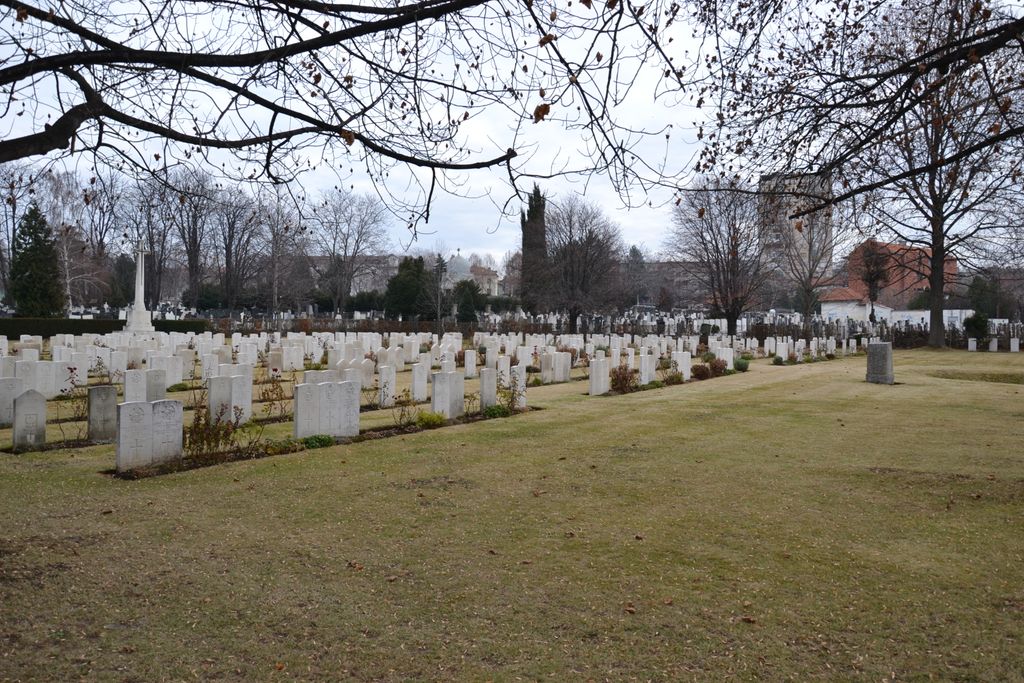
Belgrade War Cemetery
📍 Београд, Serbia
The Belgrade War Cemetery is in Uliga Baju Sekulica, in the city's Fifth Region, and is on the edge of the New Yugoslav Cemetery (Novo Groblije). It was created to receive the remains of British and Commonwealth casualties brought in from more than sixty small burial grounds and from isolated sites all over the former Yugoslavia. The largest number from any one place came from Milna Military Cemetery and the Royal Naval and Harbour Cemeteries on the island of Vis (Lissa) which was a Royal Navy base. The burials in the War Cemetery include escaped prisoners of war from Italy and Greece. Civilians buried here include a mining technician, a teacher of English, a newpaper correspondent, a member of the Embassy staff and the child of another member of Embassy staff. They were buried or re-buried in the cemetery by permission of the Army Graves Service.
484 defuncți →

Mikra Memorial
📍 Πανόραμα, Grecia
Mikra Memorial is inside Mikra British Cemetery and is situated in the Municipality of Kalamaria in the city of Thessaloniki just off Konstantinou Karamanlis Street between the army camp of Ntalipi (pronounced Dalipi) and the Kalamaria Greek Communal Cemetery. From both the town centre and airport of Thessaloniki it is approximately a 20 minute drive and can be accessed by first driving along Leoforos Ethnikis Antistaseos highway then entering Makedonias Street and turning right at the top of this road at the traffic lights. From there you enter Konstantinou Karamanlis and the cemetery is approx 300 metres further on your right and a CWGC (Commonwealth War Graves Commission) sign is clearly visible. At the invitation of the Greek Prime Minister, M.Eleftherios Venizelos, Salonika (now Thessaloniki) was occupied by three French Divisions and the 10th (Irish) Division from Gallipoli in October 1915. Other French and Commonwealth forces landed during the year and in the summer of 1916, they were joined by Russian and Italian troops. In August 1916, a Greek revolution broke out at Salonika, with the result that the Greek national army came into the war on the Allied side. The town was the base of the British Salonika Force and it contained, from time to time, eighteen general and stationary hospitals. Three of these hospitals were Canadian, although there were no other Canadian units in the force. The earliest Commonwealth burials took place in the local Protestant and Roman Catholic cemeteries, and the Anglo-French (now Lembet Road) Military Cemetery was used from November 1915 to October 1918. The British cemetery at Mikra was opened in April 1917, remaining in use until 1920. The cemetery was greatly enlarged after the Armistice when graves were brought in from a number of burial grounds in the area. MIKRA BRITISH CEMETERY now contains 1,810 Commonwealth burials of the First World War, as well as 147 war graves of other nationalities. Within the cemetery will be found the MIKRA MEMORIAL, commemorating almost 500 nurses, officers and men of the Commonwealth forces who died when troop transports and hospital ships were lost in the Mediterranean, and who have no grave but the sea. They are commemorated here because others who went down in the same vessels were washed ashore and identified, and are now buried at Thessaloniki. The ships were: HT "Marquette", torpedoed and sunk by 'U35' on 23 October 1915, 57.5 kilometres south from Salonika Bay, carrying the 29th Division Ammunition Column and the New Zealand Stationary Hospital. HT "Ivernia", torpedoed and sunk on 1 January 1917, 93 kilometres from Cape Matapan, carrying reinforcements for Egypt. HT "Arcadian" was torpedoed and sunk on 15 April 1917, 41.5 kilometres north east from the island of Milo (Melos), carrying reinforcements for Egypt. Hospital Ship "Britannic", of the White Star Line, sunk by mine on 21 November 1916 in the Zea Channel between Greece and the Cyclades, on her way from Naples to Mudos. Fleet Messenger "Princess Alberta", sunk by mine between Stavros and Mudros on 21 February 1917.
483 defuncți →
Kathreinfeld Concentration Camp Mass Grave
📍 Ravni Topolovac, Srednjebanatski okrug, Serbia
Kathreinfeld Concentration Camp was one of several liquidation camps set for ethnic Germans ('Donauschwaben' or Danube-Swabian) active from October 1944-October 30 1945 located in the town of Ravni Topolovac in what is now modern-day northern Serbia. Thousands of persons were interned in this camp which at one point it reached up to 24.000 in total. It is estimated that around 770 people died in this camp due to starvation, exhaustion and execution by the Partisans led by Josip Tito, who invaded the area after the Nazis were defeated at the end of World War II. To this day, the Serbian capital, Belgrade, denies that many such atrocities took place, despite evidence of the camps still standing and the eyewitness testimony of many people who lived there. The official Danube-Swabian Totenbuchs, detailing the names of the deceased who died in the main camps in the Banat region are available online, from which the names who have been verified to have died at Kathreinfeld Camp, have been uploaded to Find a Grave.
479 defuncți →

Velika Račna
📍 Velika Račna, Slovenia
The Velika Račna cemetery is located on Kopanj Hill, north of the main settlement.
479 defuncți →
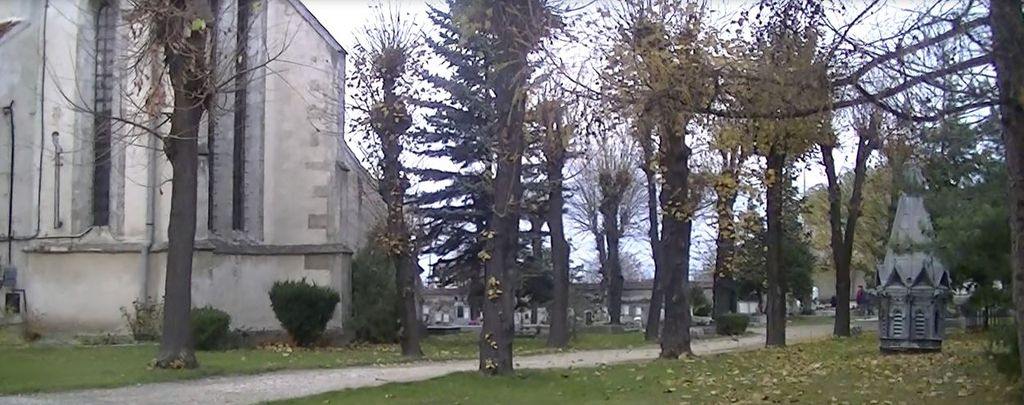
Bartolomeu Biserica Evanghelica
📍 Brasov, România
Bartolomeu Biserica Evanghelica
478 defuncți →