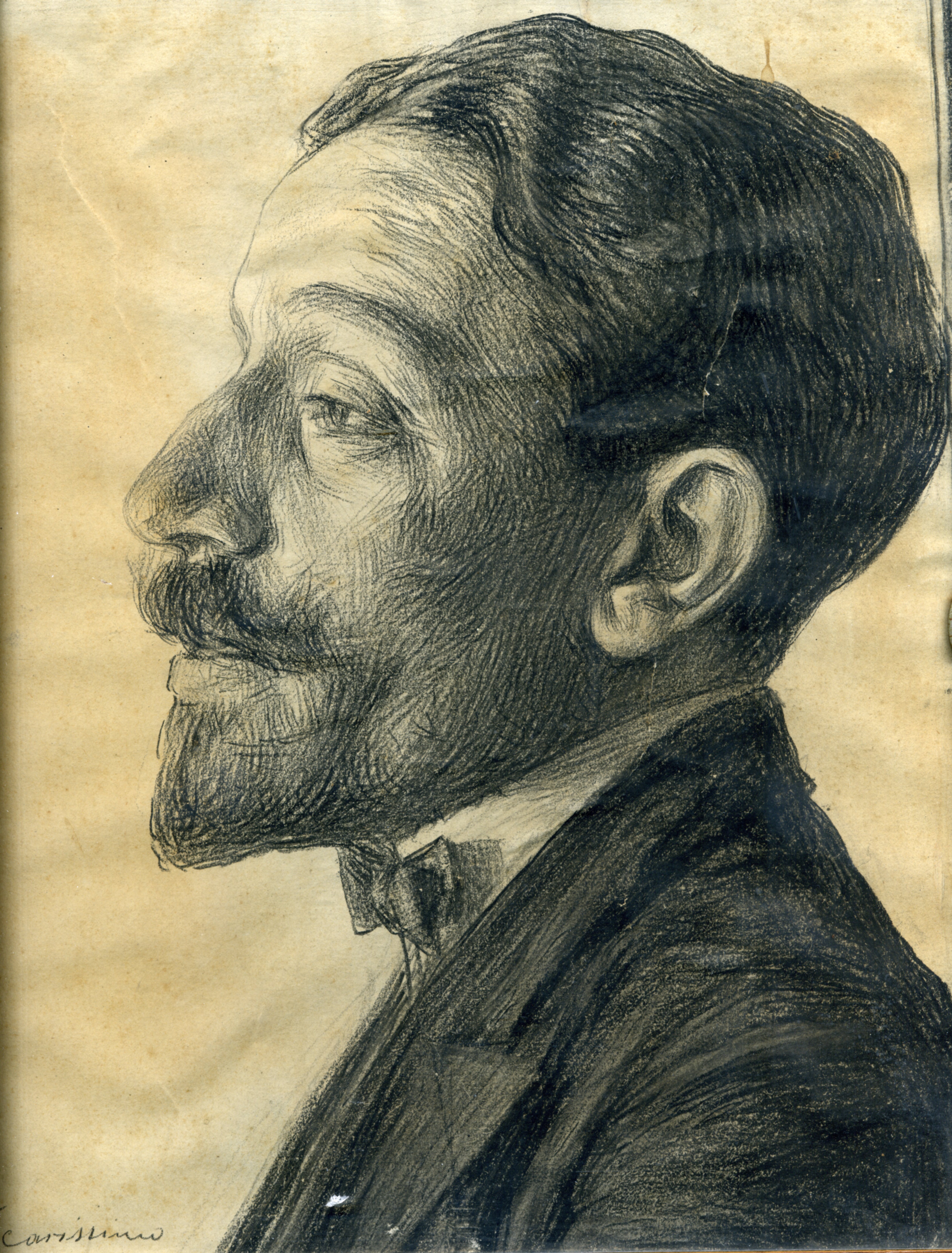
Guelfo Civinini (1 August 1873, Livorno – 10 April 1954, Rome) was an Italian poet, playwright, novelist, journalist, critic, opera librettist, academic, military combatant, Western explorer, documentary filmmaker, and archaeologist. Best known internationally as the co-author of the libretto for Giacomo Puccini's opera La fanciulla del West (1910), Civinini began his career as a writer in the 1890s working as both a journalist and critic of literature and art for a variety of Italian newspapers and magazines. His first book of poetic verses, L'urna, was published in 1901 and was the recipient
Guelfo Civinini (1 August 1873, Livorno – 10 April 1954, Rome) was an Italian poet, playwright, novelist, journalist, critic, opera librettist, academic, military combatant, Western explorer, documentary filmmaker, and archaeologist. Best known internationally as the co-author of the libretto for Giacomo Puccini's opera La fanciulla del West (1910), Civinini began his career as a writer in the 1890s working as both a journalist and critic of literature and art for a variety of Italian newspapers and magazines. His first book of poetic verses, L'urna, was published in 1901 and was the recipient of a national literary prize. After this, he continued to work as a journalist and critic and publish and write poetry, but expanded his interests into writing numerous plays for theatres in Rome and Milan. In 1912 his novel, Gente di palude, was published. He was awarded several literary prizes, including the Mussolini Prize for literature in 1933; the Viareggio Prize in 1937; and the Marzotto Prize in 1953. Civinini served as a "journalist-fighter", a term he coined, during World War I; simultaneously working as a war correspondent for the Corriere della Sera and as a military combatant. He wrote about his experience as a 'journalist-fighter' in the…
0 comentarii0 vizualizări0 reacții
Guelfo Civininia adăugat o fotografie
acum 47 minute
R.I.P Guelfo
Early life and career Born in Livorno, Guelfo Civinini was the son of Francesco and Quintilia Lazzerini; one of six children born to that couple. Shortly after his birth, the family moved to Grosseto where his father died when Guelfo was three years old. The death of his father left the family in difficult economic circumstances, and the family resided in the poorest regions in the Roman countryside at a time with those areas were plagued with outbreaks of malaria. Of the six children in the family only Guelfo and his brother Ricciotto survived to adulthood. These tragic childhood events later informed Civini's 1912 novel Gente di palude with many of the illnesses and strifes of his upbringing inspiring the novel's events. At the age of 10, Guelfo moved with his family to Rome after the marriage of his mother to his step-father. There he was educated at the Liceo Umberto I under Giuseppe Chiarini. He began his career as a writer working as a journalist and both a literary and art critic for several publications in the 1890s, including the magazine Il Marzocco and the Rome newspaper La Tribuna among others. He had his first major critical success with…
0 comentarii0 vizualizări0 reacții
Guelfo Civininia lăsat un gând
acum 48 minute
Later life and career As a poet, Civinini is sometimes included as part of the "crepuscolari" group of writers based on his work L'urna (1901); although this classification has been contested by some writers on Italian literature as his overall body of work is reminiscent of the style of Gabriele D'Annunzio and Giosuè Carducci while also displaying influences of Giovanni Pascoli. This work was his first publication of poetic verses. After this he became a prolific playwright in the contemporary theatre scenes of Rome and Milan. His plays included La casa riconsacrata (1904), Il signor Dabbene (1906), Seguite poi da Notturno (1907), Bamboletta (1908), La regina (1910), Suor Speranza (1911), Ius primae noctis (1912), Il sangue (1922), Moscaio (1926), Rottami (1926), and the later work Ripresa con il nuovo titolo Rancore (1948). Internationally he is best known for writing the Italian language libretto with Carlo Zangarini to Giacomo Puccini's opera La fanciulla del West which premiered at the Metropolitan Opera in 1910. The opera was adapted from David Belasco's 1905 English language play The Girl of the Golden West. His output of literature also included books of poetry, non-fiction, and fiction; short stories; literary criticism, and plays. He was awarded…