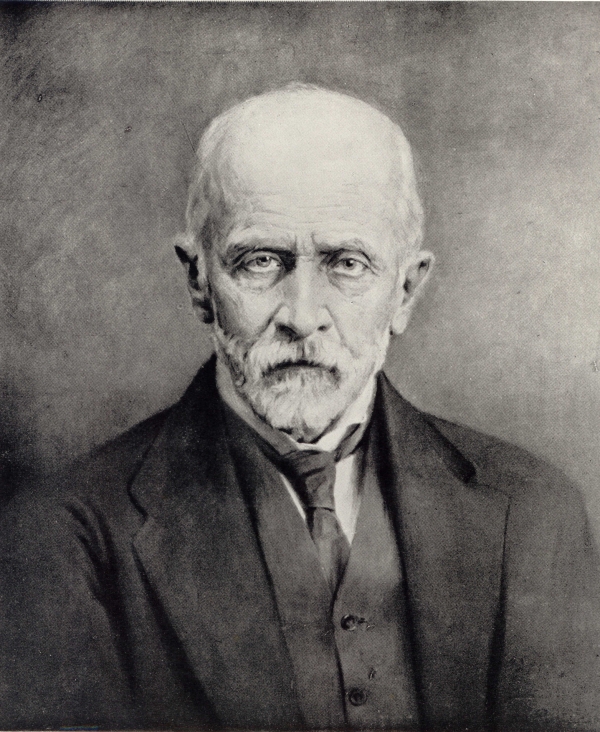
Leon Jan Piniński (8 March 1857 – 4 April 1938) was a Polish scholar, diplomat, art historian and politician. A professor of Roman law and one-time rector of the Lwów University (1928–1929), he devoted much of his life to a political career in his home city of Lwów (modern Lviv, Ukraine), first under Austria-Hungary then in independent Poland.
Actualizări recente
Leon Pinińskia adăugat o fotografie
acum 4 ore
R.I.P Leon
Leon Jan Piniński (8 March 1857 – 4 April 1938) was a Polish scholar, diplomat, art historian and politician. A professor of Roman law and one-time rector of the Lwów University (1928–1929), he devoted much of his life to a political career in his home city of Lwów (modern Lviv, Ukraine), first under Austria-Hungary then in independent Poland.
0 comentarii3 vizualizări0 reacții
Leon Pinińskia publicat o actualizare
acum 4 ore
Pretender to the English throne The Piniński family are descended from Charles I of England and a descendant of Leon's brother, Aleksander, Peter Piniński, has voiced such a claim.
0 comentarii3 vizualizări0 reacții
Leon Pinińskia adăugat o fotografie
acum 4 ore
R.I.P Leon
Life Leon Piniński was born in Lwów, then in Austrian-controlled Galicia. A member of the Piniński noble family with the Austrian rank of hrabia - (Count), he was a younger brother of Stanisław whose daughter, Julia Pinińska, inherited the family castle and estate in Grzymałów Hrymailiv. After homeschooling, Leon went on to pass his matura exam at the renowned Jesuit college in Tarnopol. He later graduated from the Faculty of Law at Lwów University. Piniński continued further studies at the universities of Leipzig, Berlin and Vienna. In 1891 he became a professor of Roman law at his alma mater and was elected to membership of the Polish Academy of Arts and Sciences. A year later he gave up his scholarly career to devote himself to local politics. A member of the Podolacy aristocratic political faction, he became one of the most popular conservative politicians in Lwów. In 1889 he was elected to the Imperial Council in Vienna. In 1894 he was also elected to the Galician Sejm. His terms in both offices ended in 1898, when he became the governor of the Kingdom of Galicia and Lodomeria. During this time he actively opposed the growing popularity of Socialist ideas. He…